Mark Fritz
Pulitzer Prize-Winning War Correspondent
Investigative Reporter
& Award-Winning Author
Mark Fritz
Pulitzer Prize-Winning War Correspondent
Investigative Reporter
& Award-Winning Author
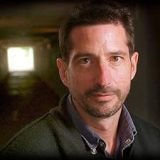
MARK FRITZ: PULITZER PRIZE-WINNING WAR CORRESPONDENT
In a career often written in blood, Mark Fritz won the 1995 Pulitzer Prize for International Reporting for his searing dispatches from Rwanda, where meticulously planned massacres killed nearly a million people in a scant 100 days.
Fittingly, Fritz began his career as an intern at the Detroit News in 1977, working weekends at the Murder Capital's legendary 1300 Beaubien police beat, an intense prep school for bearing witness to horror. After graduating Detroit's Wayne State University, he spent five years at the Kalamazoo Gazette, covering every beat in the house. He won a Michigan State Bar award for his coverage of an 11-year-old rape victim caught in a fraught abortion debate. He waited six years to interview her as an emancipated adult.
Fritz was a staff writer for the Associated Press from 1984-1997, and again from 2003-2004. He covered German unification, the collapse of the Soviet Union, and wars in Iraq, Afghanistan, Rwanda, Somalia, Chechnya, Liberia and Bosnia. As a reporter for the Boston Globe, Fritz filed from the scene of the World Trade Center's destruction. As an AP editor on the Foreign Desk, he filed the U.S. "A-wire" bulletin on the Nov. 9, 1989, fall of the Berlin Wall.
Fritz subsequently was named East Berlin correspondent, quizzing everyone from skinheads to Stasi agents; then West Africa correspondent, a sprawling beat of 23 countries. He later worked as a New York-based national writer for the Los Angeles Times, followed by reporting stints at the Globe and the Wall Street Journal.
For AP, he was the first Western reporter to file from Chechnya and interview its mercurial new ruler. He was the last to interview Nigerian President-elect Moshood Abiola before his death in prison. He portrayed the endlessly bio-engineered Thanksgiving Day turkey as a truly tragic figure. And a deep dive into amusement parks found that roller coasters can actually kill you.
At the Globe, Fritz re-reported World War II with fresh revelations from newly declassified files, including moving up the date of the Holocaust. At the LA Times, he set the house record for Column One stories (12) in 1997. They included the power of parental grief to misshape policy; and a surge in multiple citizenships as a sign of an emergent stateless society.
At the Wall Street Journal, Fritz chronicled the bizarre evolution of the modern feeding tube, which originally was designed just for infants. His stories about generational conflict and aging included California's crackdown on elderly drivers, and their furious, unexpected backlash against it.
Fritz left the news business for a stretch to perform humanitarian work in Sudan's Darfur region for the International Rescue Committee, and conduct war crimes investigations for Human Rights Watch in Uganda. The latter led to an International Criminal Court indictment of a cult leader who made children kill their parents, among other things. text
Fritz was twice a teacher at the Poynter Institute for Media Studies and has appeared on media flagships such as MSNBC, CNN and C-Span's Book TV. He's contributed to outlets from The Huffington Post to the Washington Post.
LEGACY
Besides the Pulitzer and State Bar nod, Fritz won the deadline writing awards from the American Society of Newspaper Editors (ASNE) in 1995 (the first Jesse Laventhol Award) and the Associated Press Managing Editors (APME) in 1994. His wide range of work is cited in numerous textbooks, studies, encyclopedias, journalism anthologies, and citations from academic institutions such as Yale, Harvard and Cambridge. He demonstrated that eyes on the ground trumped front-office oversight every time, particularly in Rwanda, where he operated independently of editorial constraints.
Fritz's nonfiction book, "Lost on Earth: Nomads of the New World," won a Salon Book Award, with editors calling the book "strangely delightful." He also wrote the novel "Permanent Deadline," a black comedy about war and the hacks who cover it.
"Lost on Earth," a staple of foreign affairs classes, is frequently cited as a benchmark in post-Cold War primary research. Excerpts and reviews, from Elie Wiesel to P.J. O'Rourke, are here. Additional articles can be found at Muck Rack.
This 90s-style retro page is the official archive of Mark Francis Fritz: author, investigative reporter
& Pulitzer Prize-winning war correspondent
Inquiries: info@mark-fritz.com
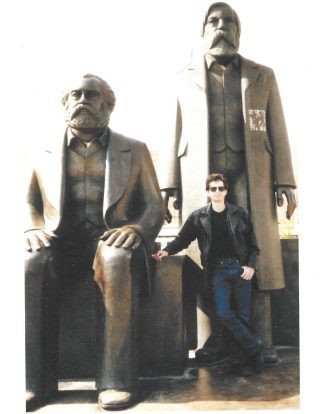
MARX, FRITZ & ENGELS: Pulitzer Prize-Winning War Correspondent Mark Fritz poses on East Berlin's Alexanderplatz in 1990. The statue of Marx and Engels survived a purge of Stalinist iconography after German unification, a testament to the power of familiarity over ideology. More photos from the era can be found at Muck Rack and Flickr.
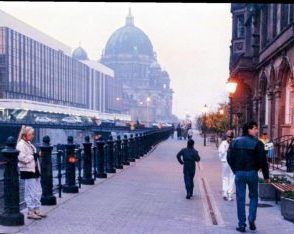
East Berlin as German unification looms like a promise and a threat. Berlin correspondent Mark Fritz strolls the boulevard of broken screams. Chris Clark. photo.
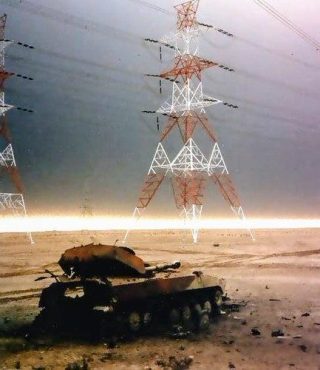
A Soviet-built tank sits flattened while Kuwaiti oil fires blacken the sky. It's April 1991, Iraq has surrendered and I'm on the road to pillaged Kuwait City, bootleg Billy Idol booming as drops of oil fall like rain. Photo by Mark Fritz.
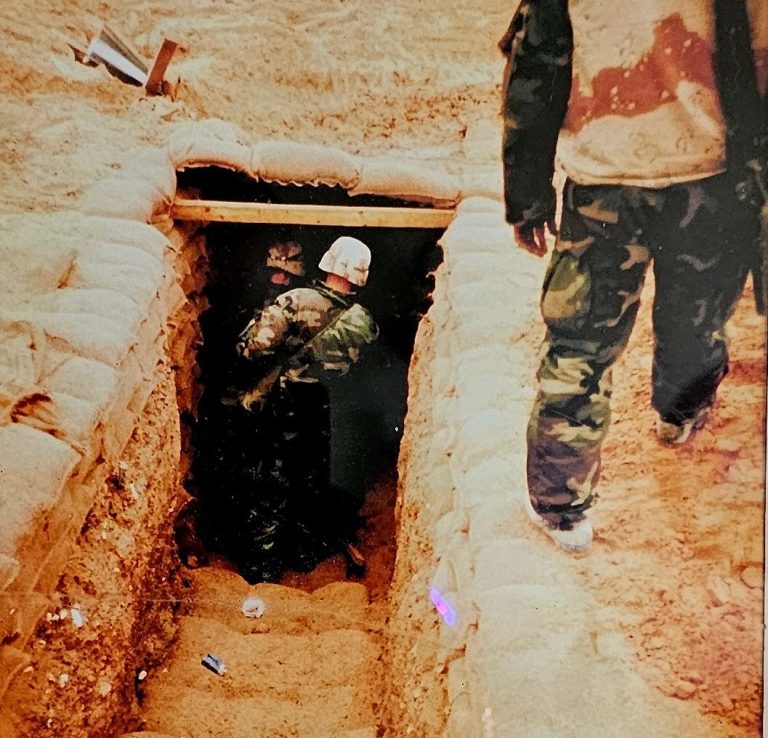
THE ABYSS: U.S. Army combat engineers investigate a hastily vacated bunker on the Hammurabi Division base of the Iraqi Republican Guard. The Iraqis retreated under heavy bombardment during the 100-hour ground war in Iraq in 1991. Photo by journalist Mark Fritz.
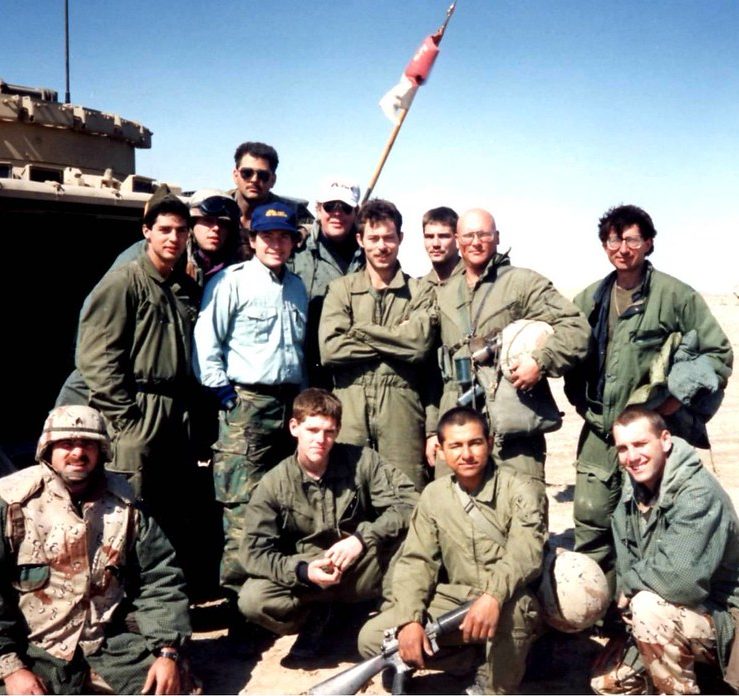
Traveling with the First Cavalry Division into Iraq for the start of the ground war, here is Mark Fritz with members of The Wolfpack, a platoon of Bradley Fighting Vehicles. Yes, the guy in the blue shirt is NBC's Arthur Kent, who told a general "nuts" after his crew was prevented from recording a poignant desert funeral for a man from the Wolfpack. "Nuts" is how Brigadier Gen. Anthony McAuliffe responded at the Battle of the Bulge, when the Germans demanded surrender. Kent is an elite reporter uncowed by authority.
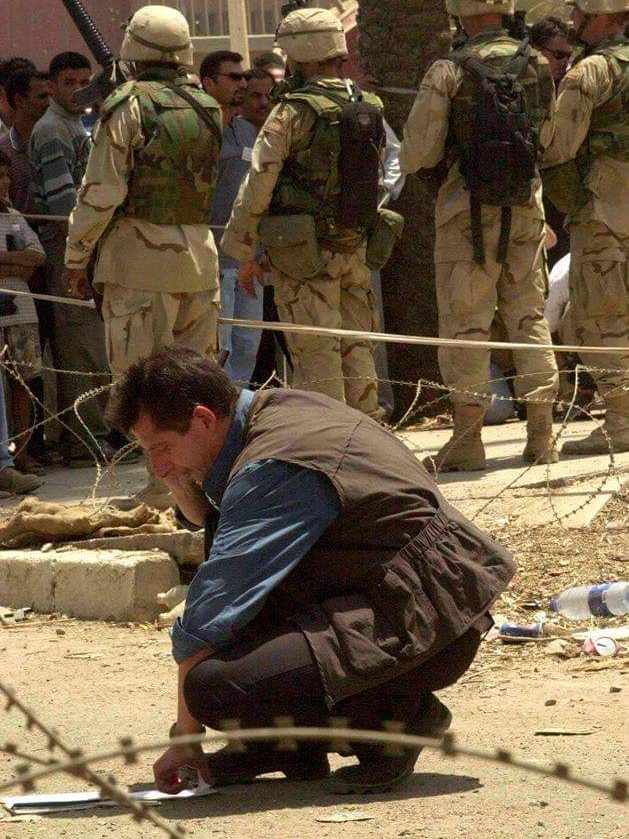
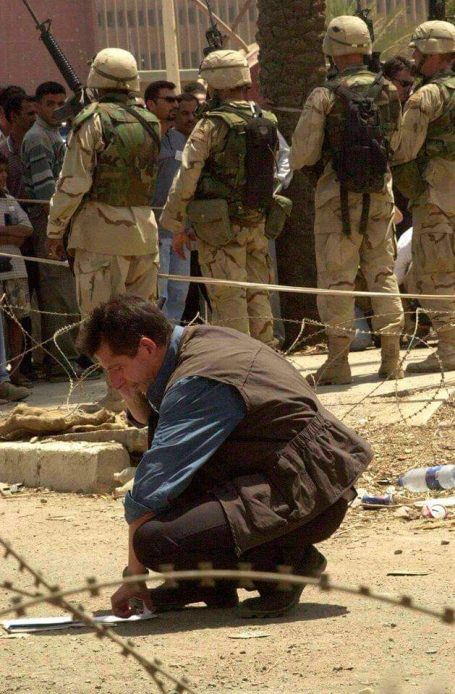
Jerome Delay photo of journalist Mark Fritz on the clock on June 18, 2003, outside the palace housing the U.S. Embassy. Roughly 400,000 ex-Iraqi soldiers demanded their paychecks for surrendering to the U.S. invasion. Trigger-happy Americans fired "warning shots" that killed two Iraqis. I repeatedly crossed barbed-wire to get both sides of the story.
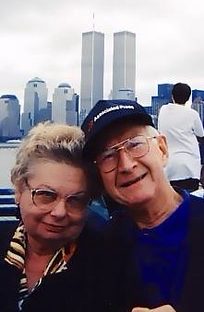
Tony and Dorothy Fritz, my late parents, cruise Manhattan months before the World Trade Center is erased. I filed for the Boston Globe from Hoboken, the perfect ground-level view of Ground Zero. Anthony Fritz Jr. and Dorothy (Horvath) Fritz were both WWII veterans. Photo by Mark Fritz.
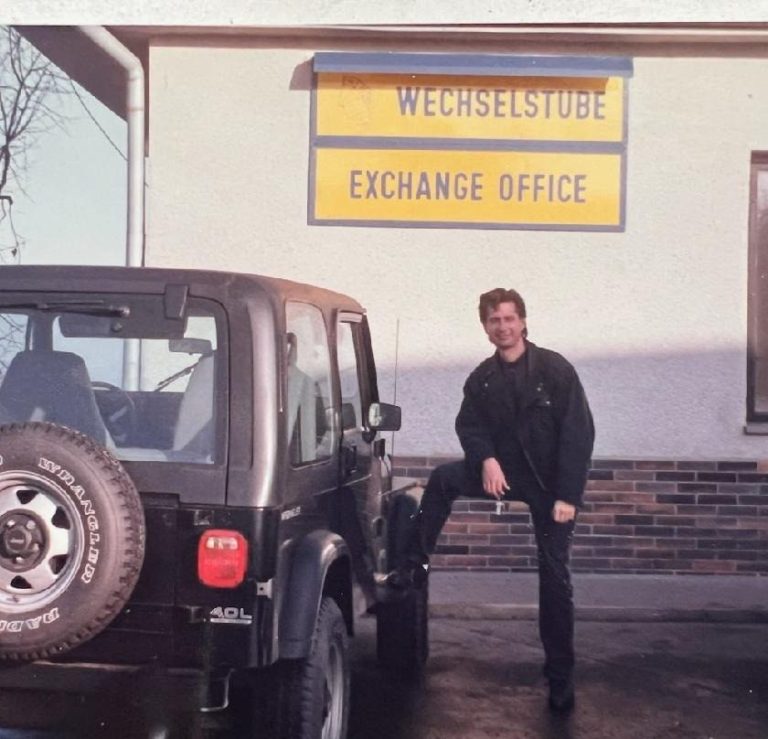
NO MAN'S LAND: At the border between Czechoslovakia and East Germany in 1990, two nations that would soon cease to exist. Journalist Mark Fritz.
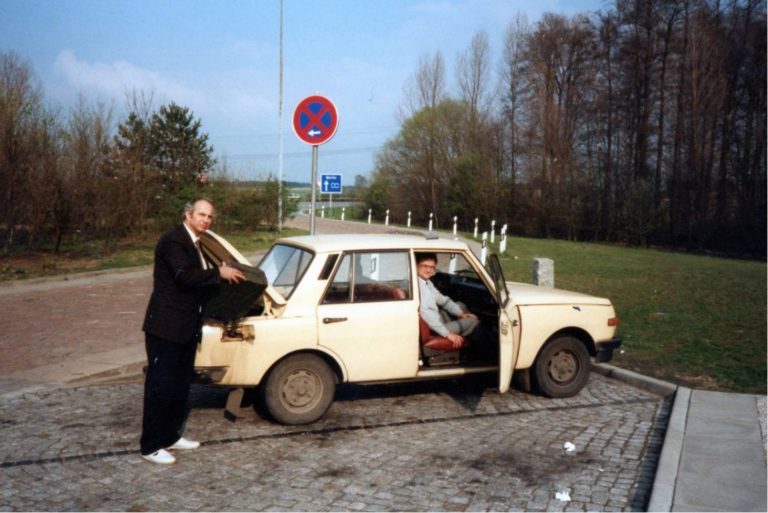
Road to unity: An East German couple fuels up as German unification looms. Massive unemployment and sharp cultural gaps have been a drag not just on the united Germany's economy, but the world's. My obit on unification day, by Mark Fritz, AP staff writer:
"East Germany spent a melancholy last day as a nation Tuesday before fading into history, leaving behind 45 years of Stalinist rule and one brief, dizzy fling as a free and sovereign state."
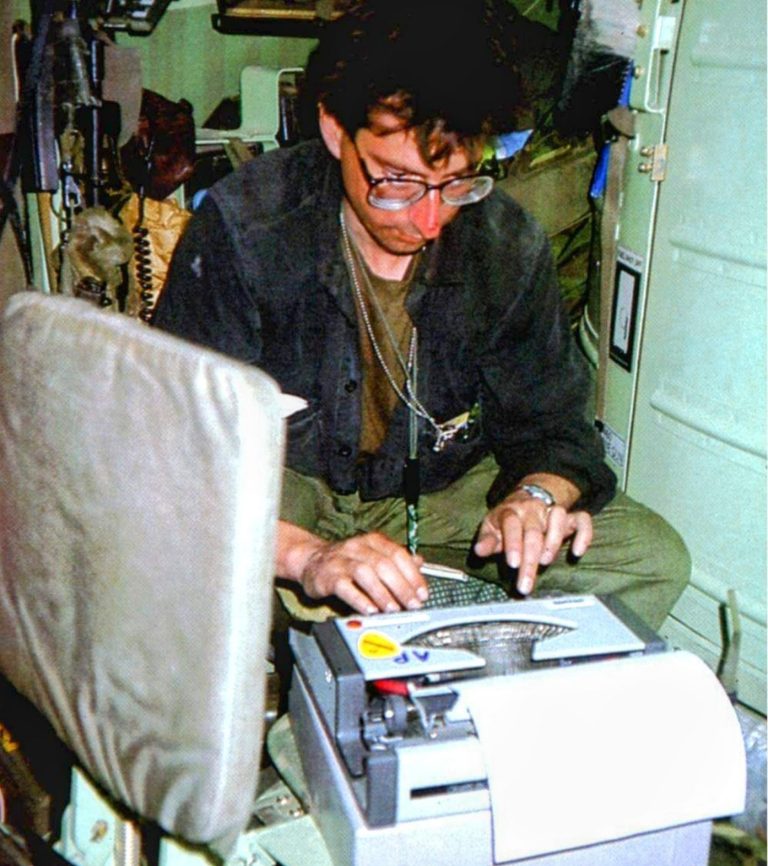
SPEED TYPING (U.S. Army photo): During the 100-hour ground invasion of Iraq in 1991, journalist Mark Fritz (yours truly) gave up the carefree life of a roving "unilateral" (not beholden to military censors) to join the U.S. Army's First Cavalry Division on a march through nearly 200 miles of Iraq in 24 hours, the longest "forced march" in U.S. military history. At war's end, I had to break free to write a story about a kid who stepped on a U.S. Air Force cluster bomb and blew up. The Army wouldn't run it. After I left the pool system, Dave Crary, the AP editor running the war bureau at the time, said fuck it: write the story and we'll skip the censors. So Specialist David Weiczorek got the battlefield obit he deserved. The military threatened to toss the AP from the theater, but didn't. That would have been awkward.
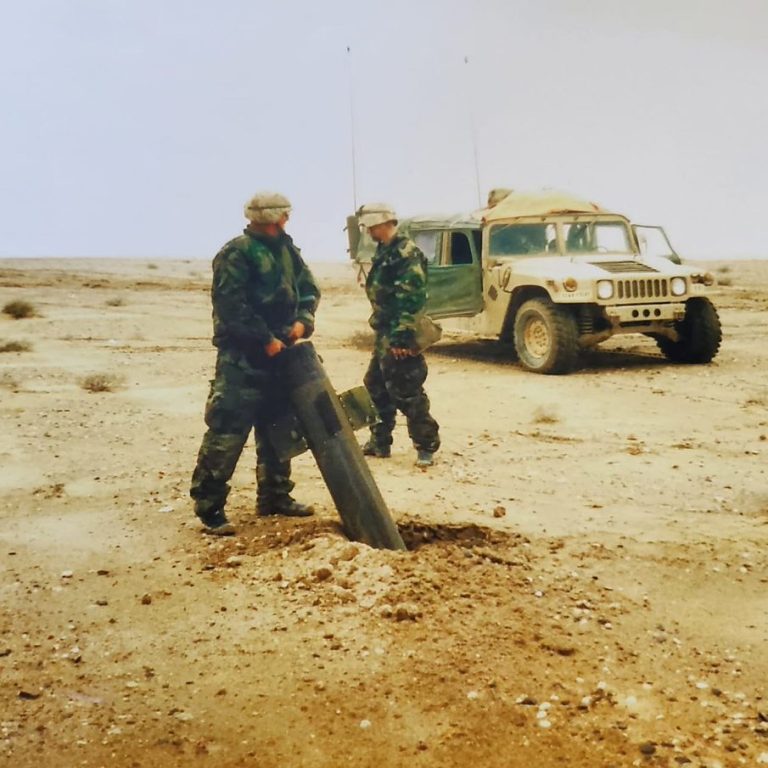
WARZONE WHIZ: A U.S. army captain pisses in a U.S. cluster bomb casing during the 100-hour ground war in Iraq in 1991. Next day, two men from his unit would be killed by cluster bombs during a scramble for souvenirs. Photo by AP journalist Mark Fritz.
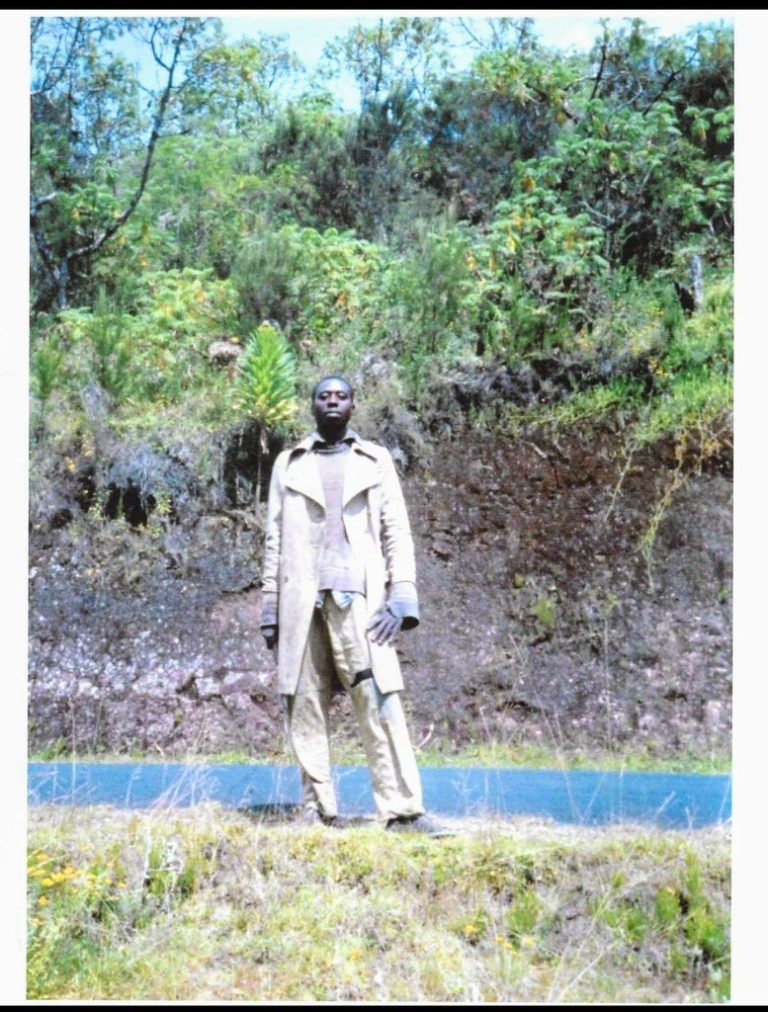
A Hutu militiaman stands at the ready in a section of Rwanda where the Tutsis have been wiped out. Photo by Pulitzer Prize winner Mark Fritz. 1994
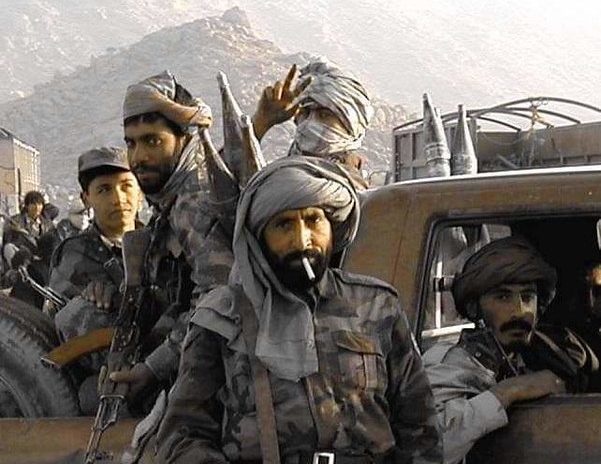
HASHTAG AFGHANISTAN: A semi-stoned militia in South Kandahar Province on a Taliban hunt in the mountains between Afghanistan and Pakistan. They'd lose 20 men to an ambush the next day. 2004. Photo by journalist Mark Fritz
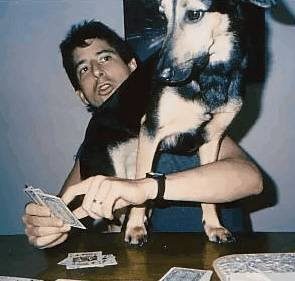
Playing cards with Keeper on the Ivory Coast, where I (Mark Fritz, West Africa correspondent) was based, covering 23 countries. Keeper was rescued in Berlin, taken to West Africa for a couple years and wound up on my farm in New Jersey. She was a good girl.
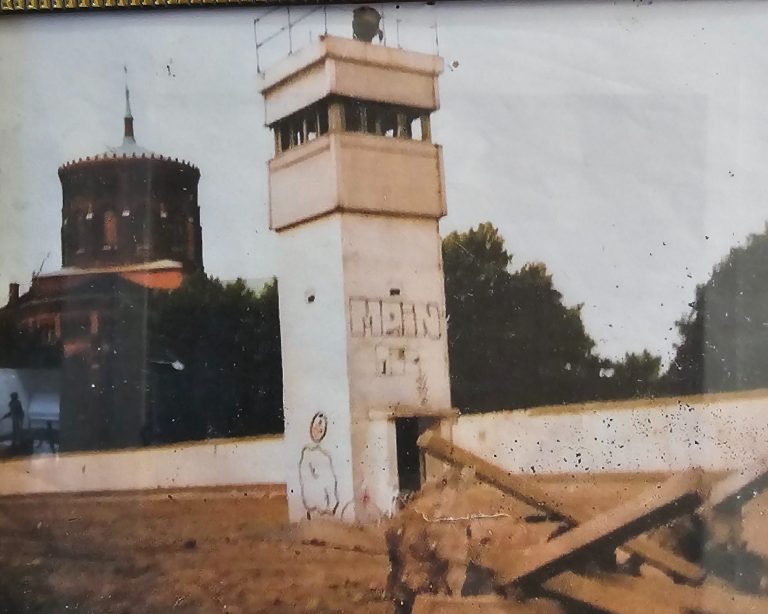
DEATH STRIP: I bicycled the roughly 100 miles of deathstrip between the Berlin Wall to see how long-separated blocks co-existed. I settled on Bernauer Strasse. The economic and social divisions were staggering. When the wall was opened, Bernauer became a microcosm of bitterness between the affluent people on the West side, and the poor devils who'd been caged on the East side. Photo by AP East Germany Correspondent Mark Fritz.
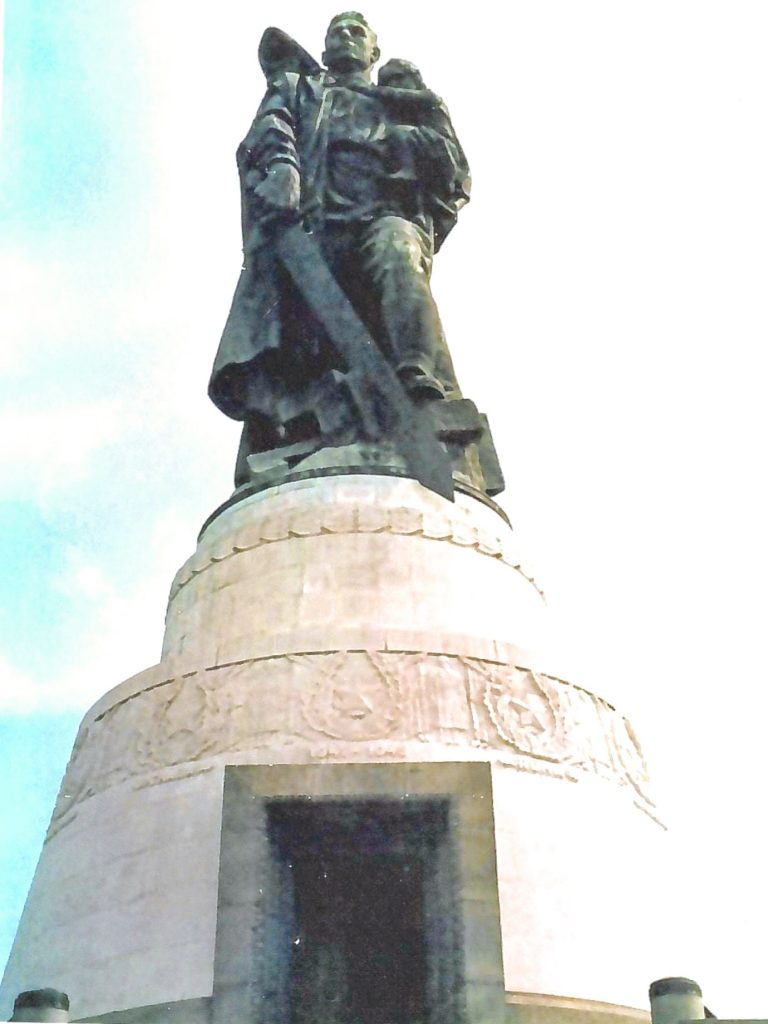
This statue in East Berlin's Treptower Park still stands. The 12-meter statue honors Soviet soldier Nikolai Masalov, who risked his life under Nazi gunfire to rescue a 3-year-old girl. Photo by journalist Mark Fritz.
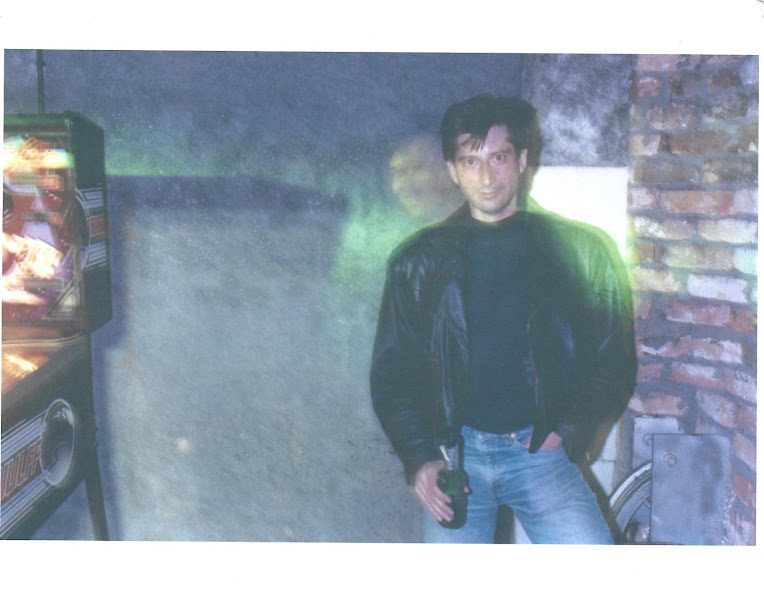
Investigative reporter Mark Fritz investigates the underground bar scene in lawless East Berlin, 1990
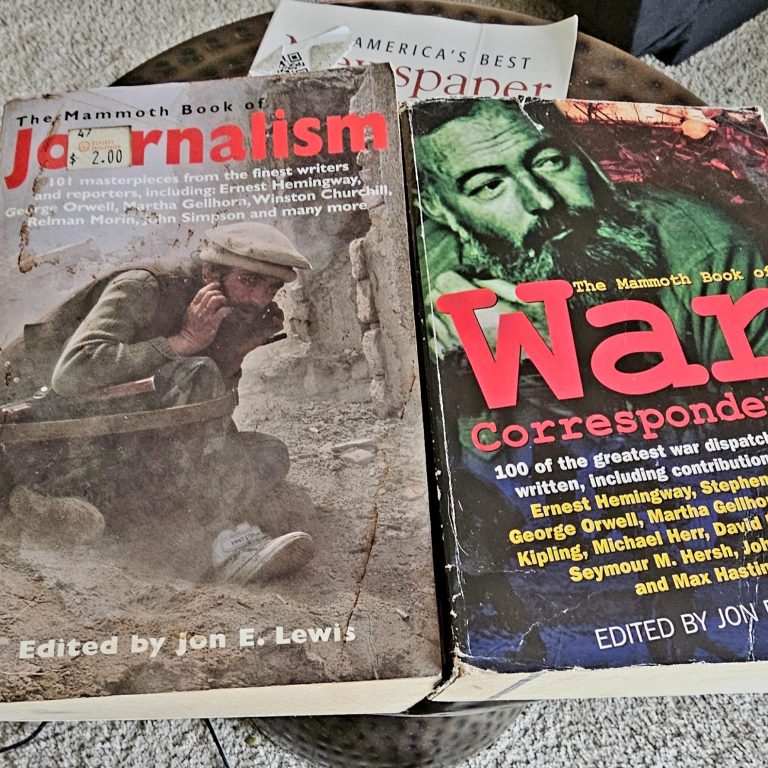
THE MAMMOTH BOOK OF JOURNALISM: 101 Masterpieces (ISBN 0-7867-1169-8); THE MAMMOTH BOOK OF WAR CORRESPONDENTS (ISBN 0-7867-0866-2) and AMERICA'S BEST NEWSPAPER WRITING (ISBN 10: 0-31244367-6) are among the anthologies featuring Mark Fritz.
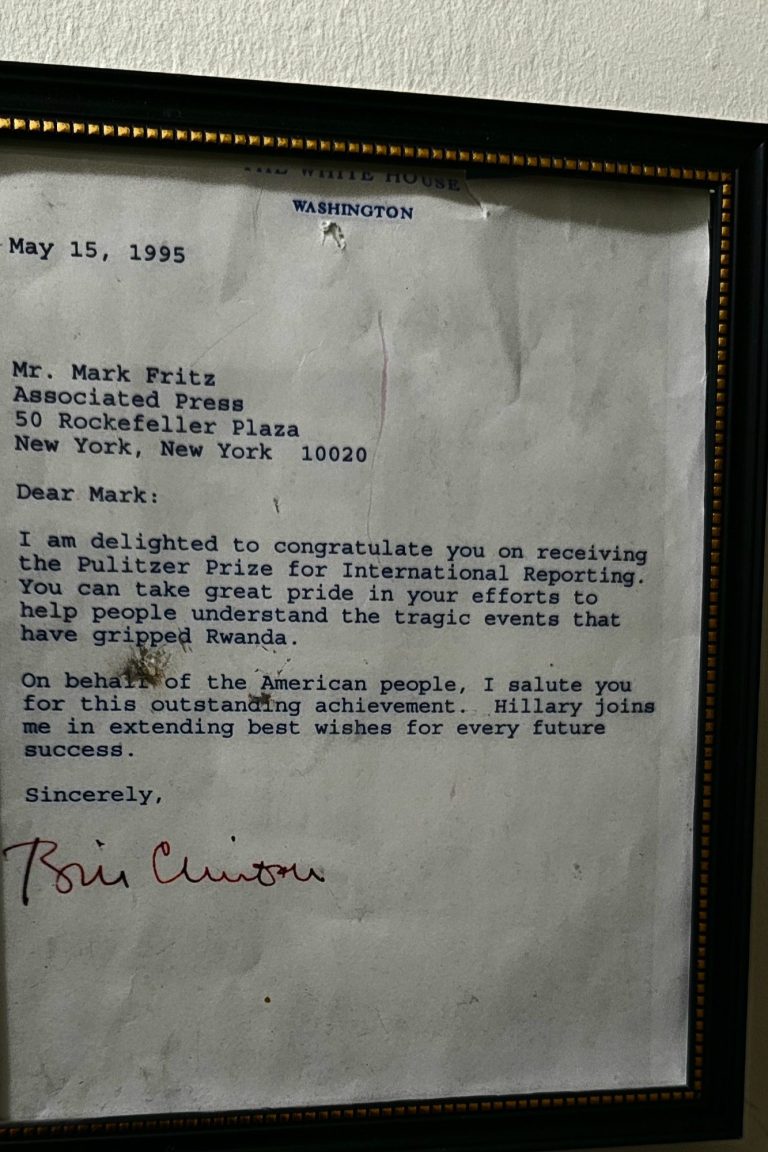
Ballistic Message: Kudos from Bill & Hill about winning the prize. Unfortunately, the Clinton administration's policy of benign neglect added to the carnage, along with outright denials by aides of the duration, impact and scope of the unfolding genocide.
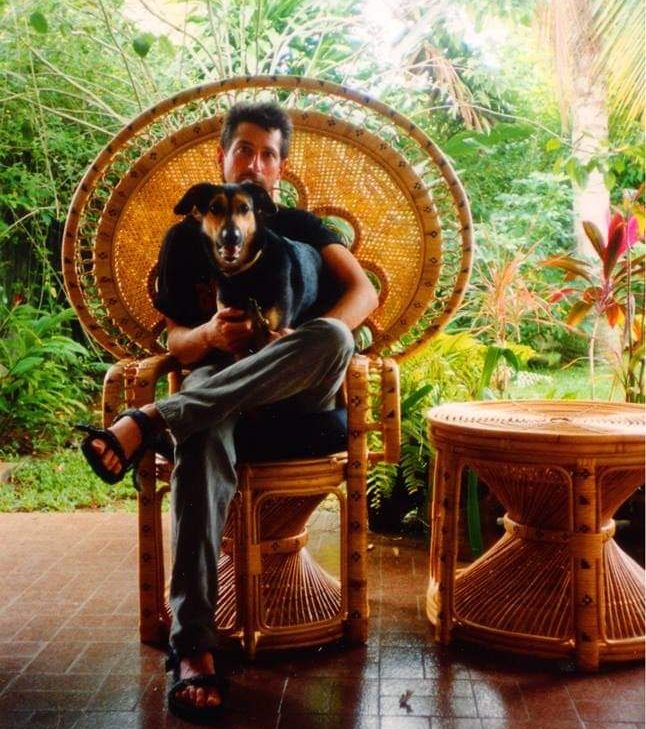
At home in Abidjan, Ivory Coast, where I was AP West Africa correspondent in 1993-94. Notable stories included a computer-assisted investigation of how Western nations were using Africa as a dumping ground for products that severely undercut local farmers. And that's my good girl Keeper, dog of three continents. Photo of Mark Fritz, journalist.
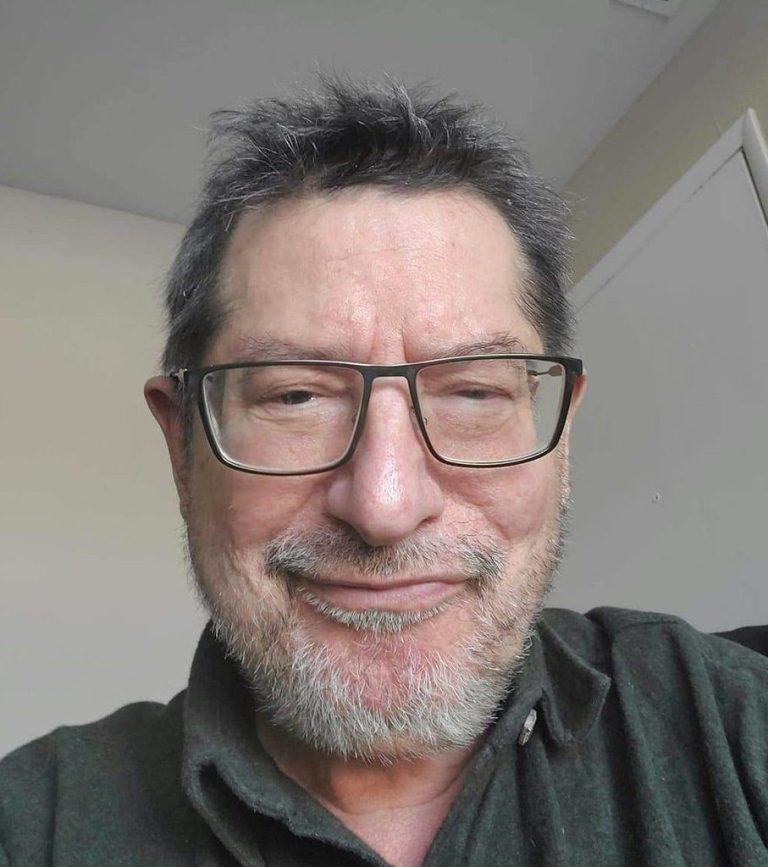
BIO BRIEF: I won the Pulitzer for Rwanda, land of a thousand hills and 800,000 kills. I was an investigative reporter for the AP, LA Times, Kalamazoo Gazette, Wall Street Journal and Boston Globe. My books are LOST ON EARTH: Nomads of the New World, and PERMANENT DEADLINE, a satirical novel about war reporting.
I covered 911 at ground zero, where a dust-covered bank vice-president told me that Tower 2 security told tenants to stay put after Tower 1 was hit. Many did and many died. I've written about genetic engineering of the food we eat, useless laws triggered by parental grief; generational conflict and the DMV; and a computer-assisted look at how Western nations are dumping surplus food on Africa, crippling local farms.
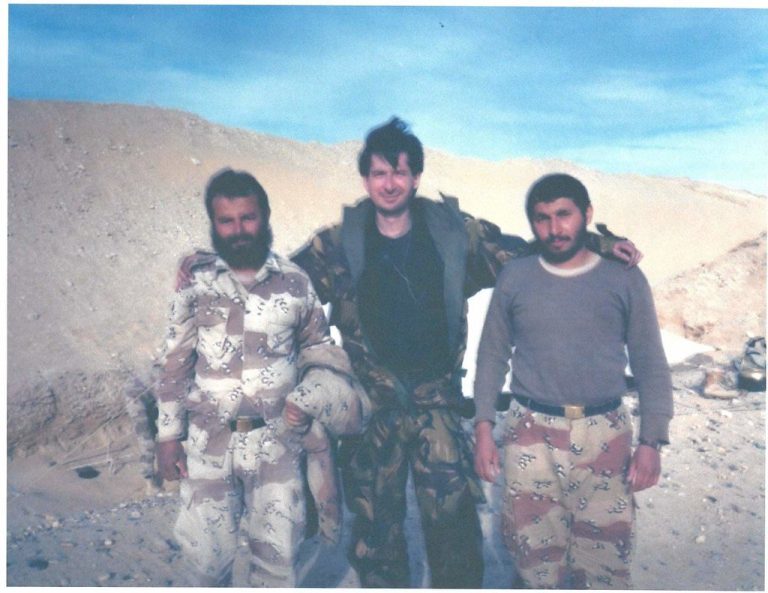
At the Iraqi border. These are two Egyptian army soldiers who let me interview fresh deserters from the Iraqi front. The ground war had yet to start, but a constant conga line of B-52s dropping 500-pound bombs on their bunkers drove them to the other side.
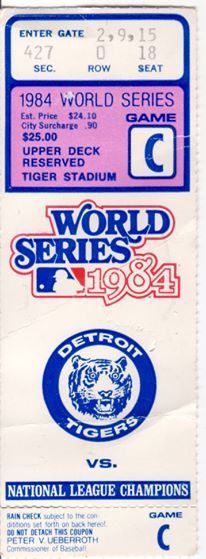
Ticket for the deciding 5th game of the 1984 World Series, Tigers over the San Diego Padres. Detroiters celebrated the usual way: Setting cop cars on fire.
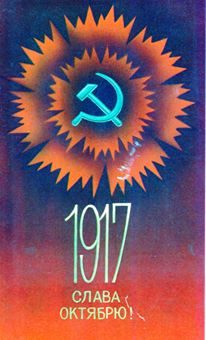
EMPIRE FALLS: Traveled the crumbling Soviet Union a month before it formally disbanded, crossing war zones in Georgia and South Ossetia and actually witnessing the birth of a new nation calling itself Chechnya. Photo by journalist Mark Fritz.
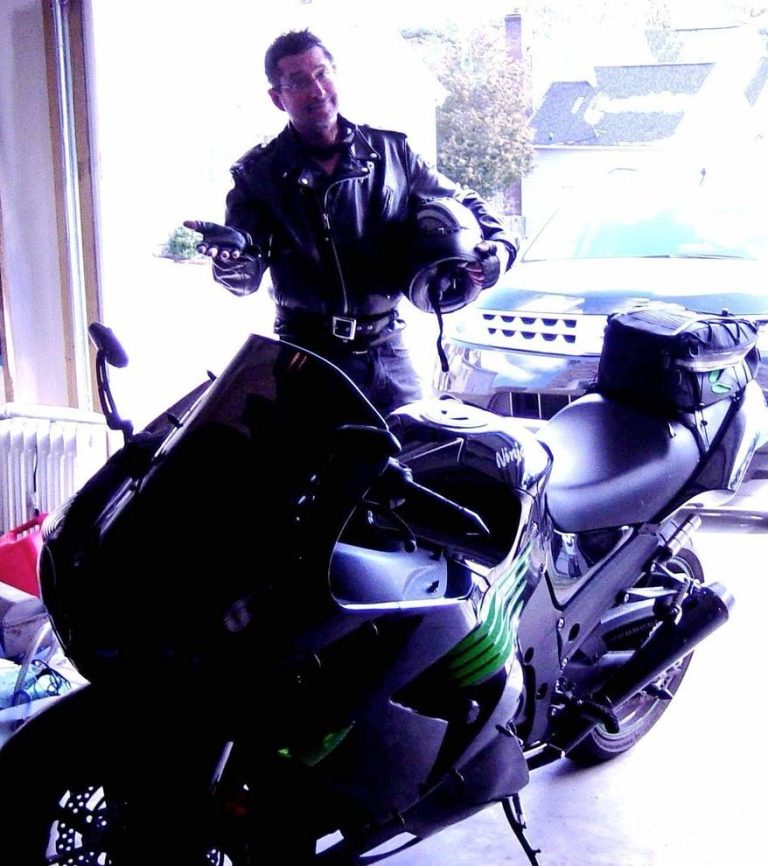
Journalist Mark Fritz in Raleigh, NC, with his 2009 Kawasaki ZX-14 Ninja with M4 drag pipes and a Power Commander V super tuner, which I can say in all modesty was the fastest street bike in Raleigh.
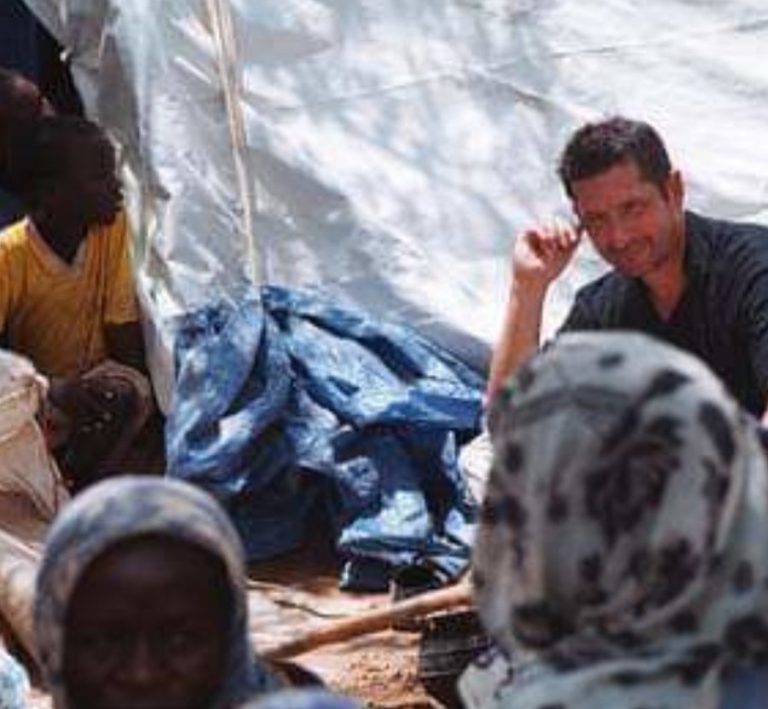
DYING IN DARFUR: Pulitzer Prize-winning Journalist Mark Fritz, working as a press attache to the International Rescue Committee, listens to the horror stories of fresh refugees.
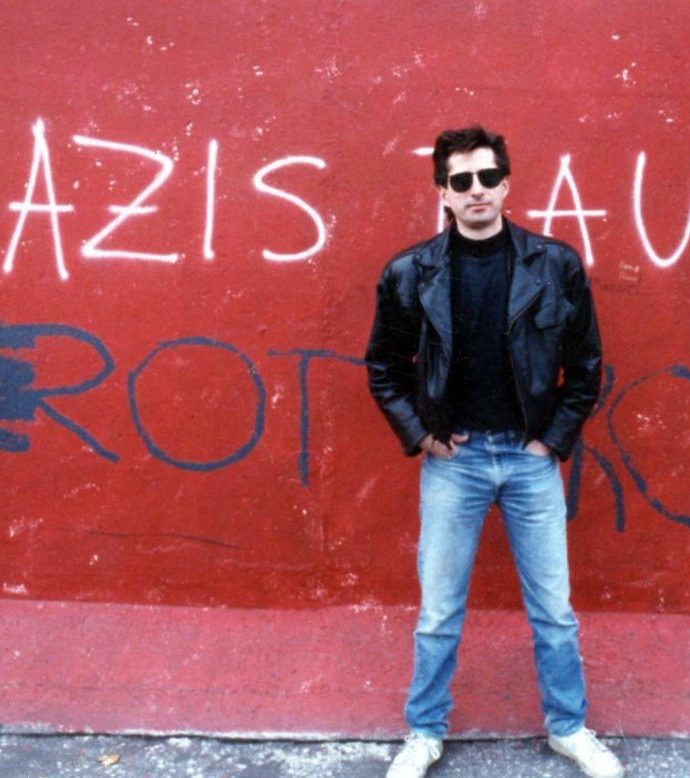
LONG FALL: Berlin Wall didn't exactly vanish in one day. Here it is in January 1990, two months after it was first breached. Communists remained in power and it wasn't until German unity could you say "The Wall has fallen." Journalist Mark Fritz photo.
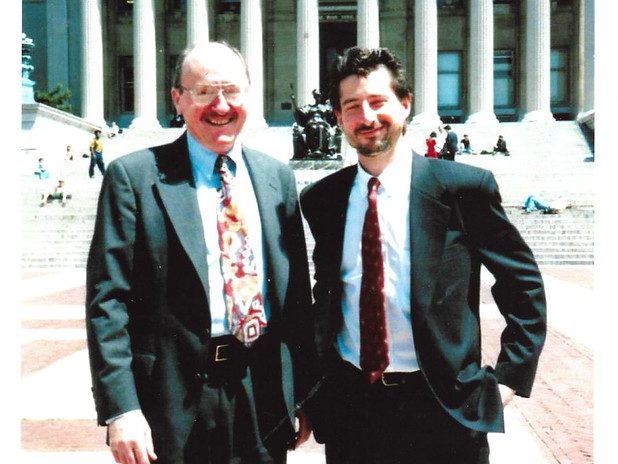
At Columbia University for the 1995 Pulitzer awards, that's International Reporting winner Mark Fritz and his guru, the late Assistant Foreign Editor Frank Crepeau, who influenced generations of reporters.
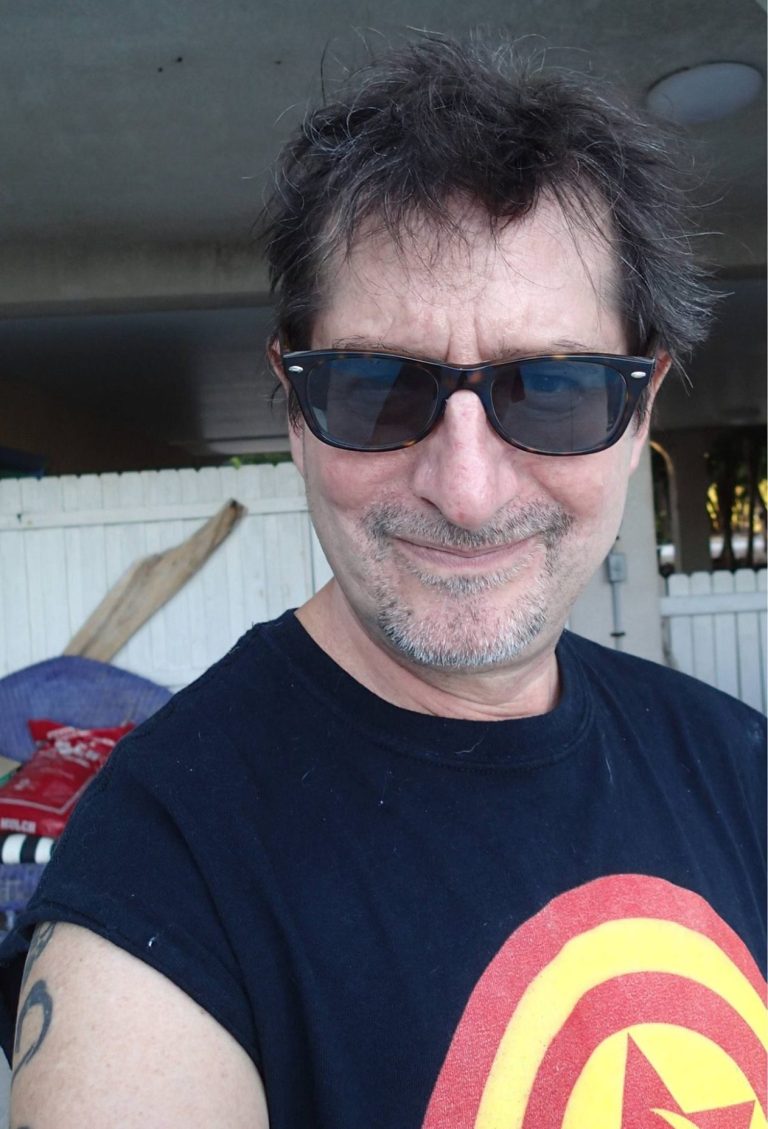
CRASHING IN AMERICA: A Memoir from the Front, upcoming autobiography by Mark Fritz, Pulitzer Prize-winning journalist. File photo.
BAGHDAD: Seized at the border town of Safwan just after Iraq's 1991 defeat, interpreter Saleh Zamani and I faced espionage charges as we took a 1,435 km (892 miles) ride from Basra to Baghdad to Jordan. At one point we escaped to a UN observer camp with a security man hanging on my wheel, but the observers could only observe, so they left.
Interrogated as spies in Basra, pissed security woke us hourly by flipping lights and shouting. "What time is it!" They were comically sinister, We were taken to Baghdad's Abu Ghraib prison, listening to the screams of one poor guy getting whipped.
AP reported us free in a news brief out of Baghdad. Then fresh security piled into the truck for the ride to Jordan. The truck kept breaking down and unexploded ordnance littered the land as we walked for help. We ate watermelon with a melancholy platoon guarding a radio tower, now demolished.
Security stole the truck and dumped us at Jordan, which made us wait a day for a visa. We hitchhiked to Amman, ending a near thousand-mile march in six days. One of the AP's disturbingly revisionist "history" books said the adventure lasted two days and only included Safwan. The agency has a history of botched reporter detention interventions. My case? Pretend it never happened.
UPI had the escape, albeit set in the timeline that ends in Baghdad. But then, I'd escaped the AP-mandated training class run by former SAS in England. It actually wasn't hard to lift the burlap bag, look around and bolt for the tree line, the sound of blanks going off in frustration as I vanished into the woods.
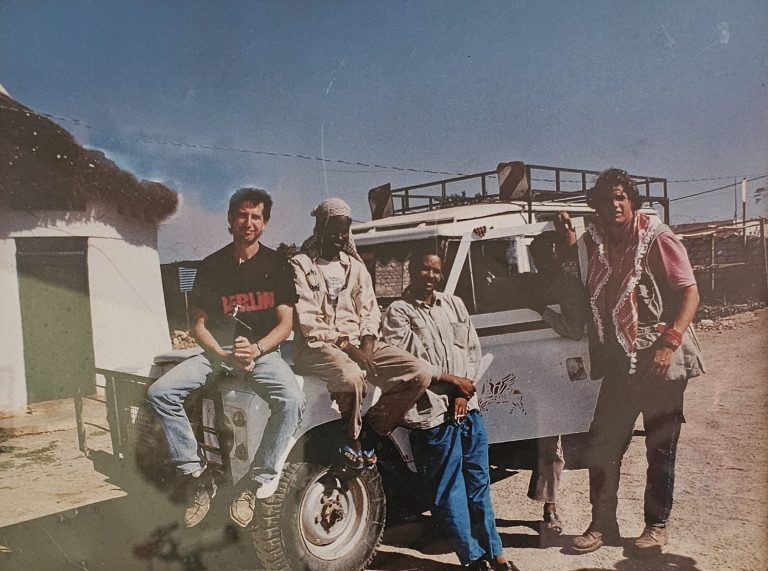
Photog Ricardo Marzalan (r) and reporter Mark Fritz with the crew of The Desert Lion, a vintage Land Rover, in Baidoa, Somalia. 1993.
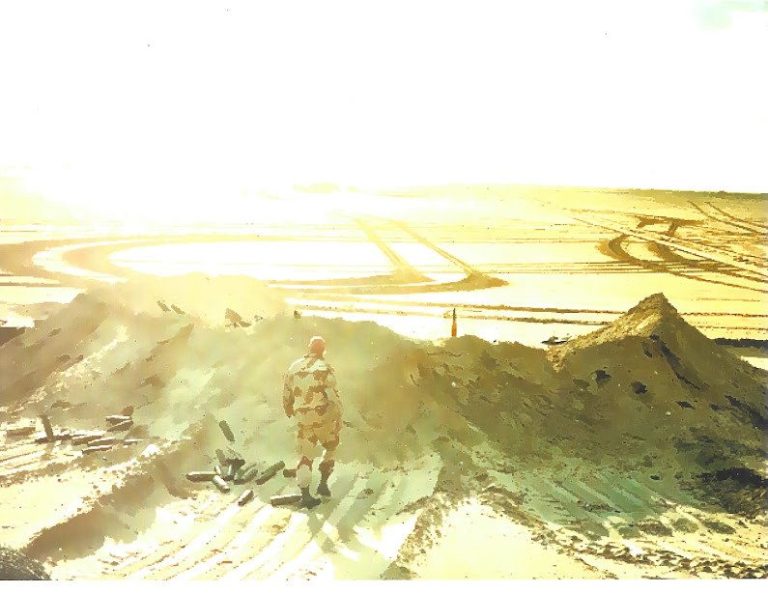
ENEMY MINE: A US Army captain approaches a berm protecting a now-crushed tank in the Iraqi desert in 1991. The hunt for souvenirs later killed two men who made contact with dormant cluster bombs. Photo by Mark Fritz.
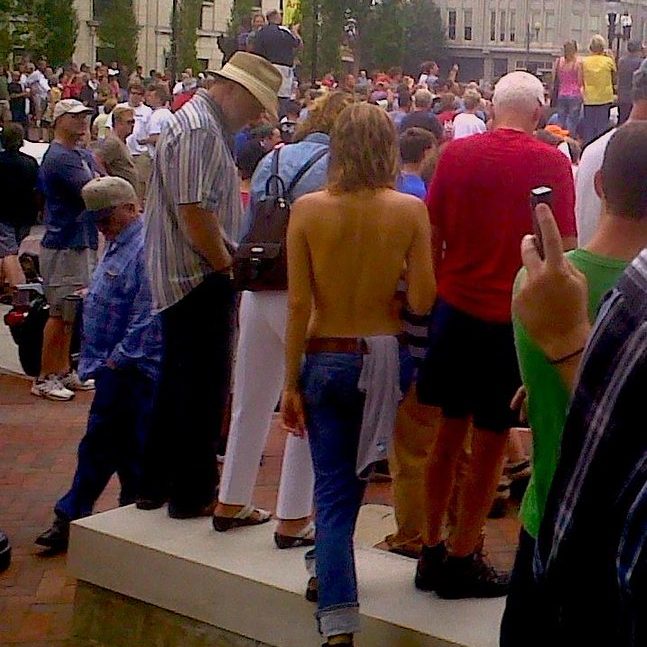
LADY GODIVA OF THE CAROLINAS: Took a bike trip to artsy Asheville, NC, in 2010 and ran into a protest against a city decency law: Men could go shirtless in public while women could not. At least until this Frenchwoman showed up. Photo by journalist Mark Fritz.
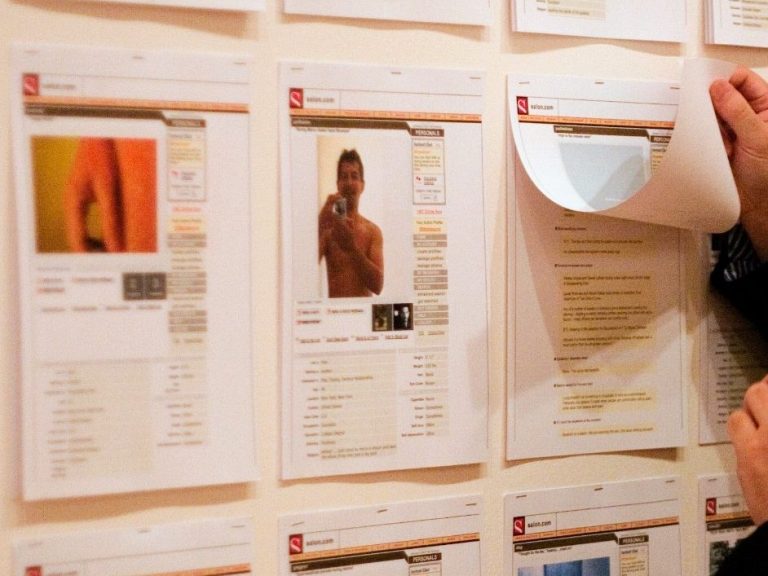
Shelly Silver's "What I'm Looking For" (2004), a MOMA installation that explores themes of intimacy, voyeurism and exhibitionism during the dawn of the internet dating era. Journalist Mark Fritz had the privilege of being a subject.
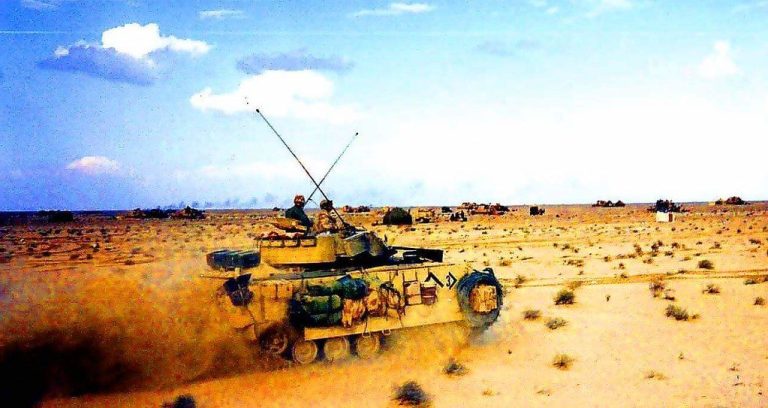
A Bradley Fighting vehicle races alongside the one I'm in as the 100-hour ground war gets underway in Iraq in 1991. Photo by Pulitzer Prize-winning war correspondent Mark Fritz.
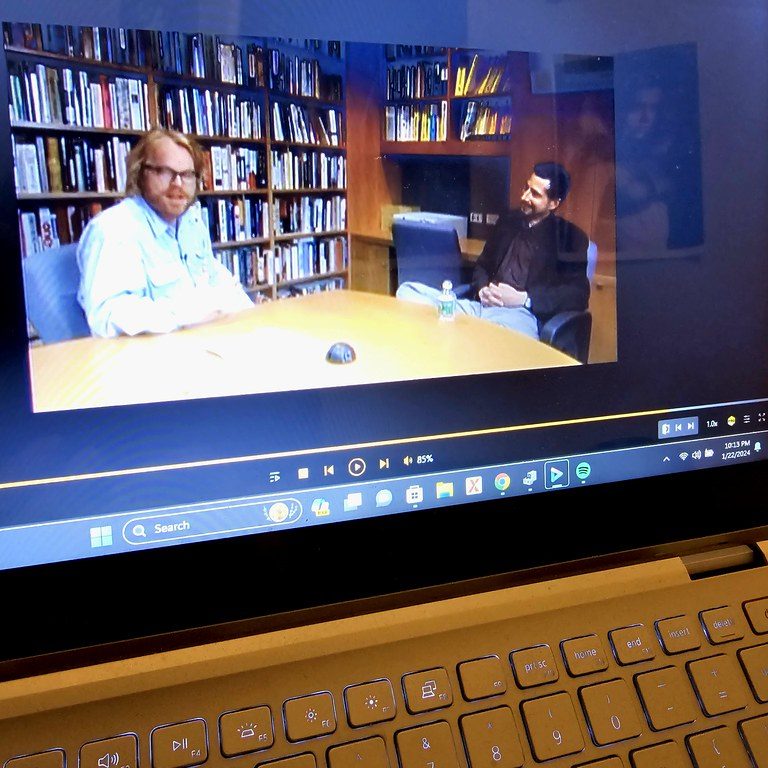
Actor Philip Seymour Hoffman interviews Los Angeles Times New York Correspondent Mark Fritz in 2000 for the documentary "Last Party." The job had its rock 'n roll moments: Covered the kick-off of Prince's Purple Rain tour, interviewed Clapton, talked to Paul Newman about Monica Lewinsky, and sold a story to Michael Stipe about a naughty priest.
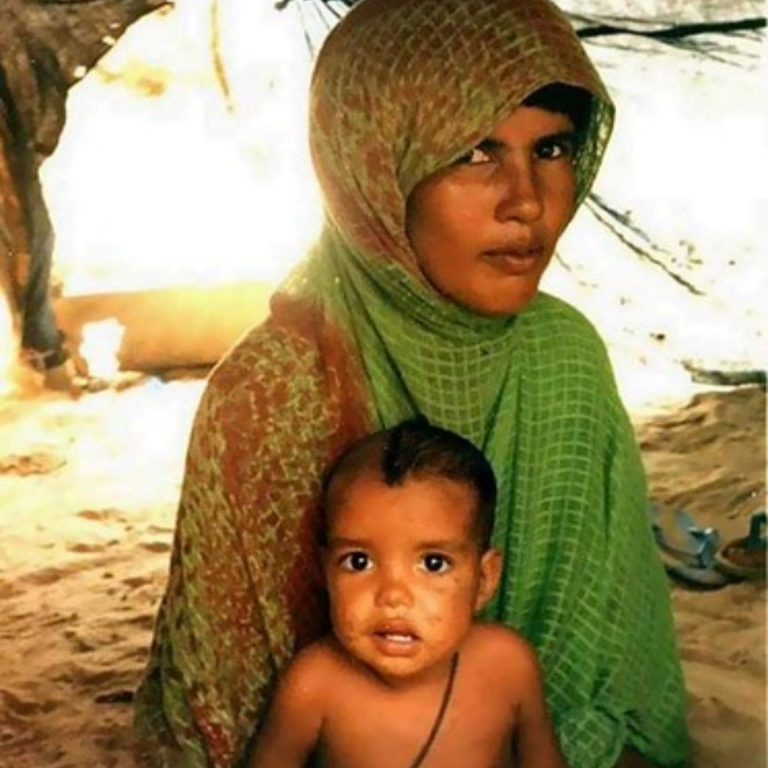
Adrift in the Sahara: A Tuareg woman and her son hunker down in a refugee camp outside Timbuktu, near the Mali-Mauritania border, where both countries were torn by ethnic violence in 1994, as they are now. Photo by West Africa correspondent Mark Fritz of the Associated Press.
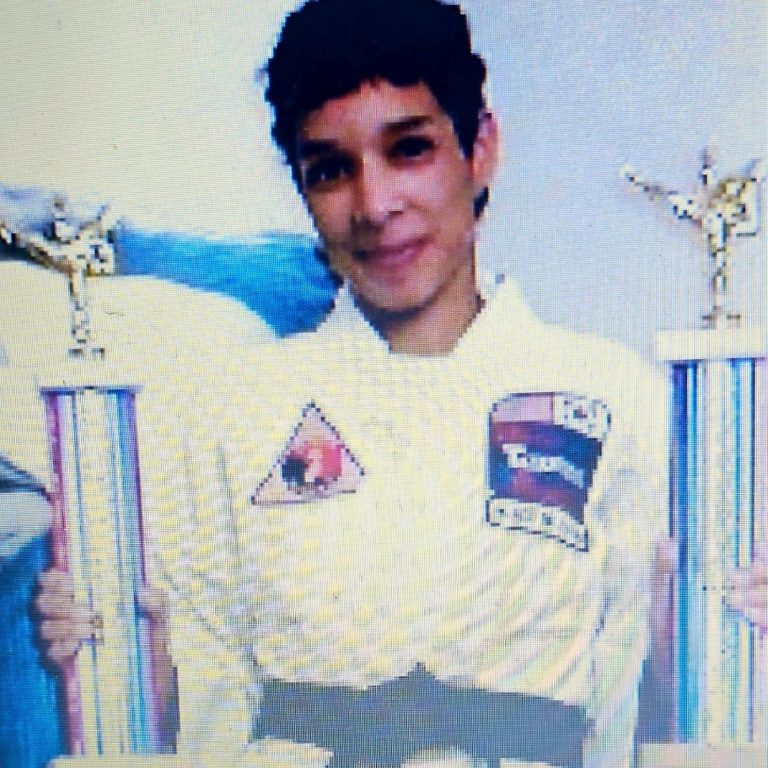
Karyn Susan Vaughn, a globe-trotting public relations executive, journalist, and humanitarian, passed away on September 25, 2026, at the age of 63. She was a remarkable woman, a larger-than-life figure in corporate PR, journalism, and diplomacy, the latter through her work with USAID. She was my wife of more than 12 years and partner for more. I was privileged to be part of her life. And she was extremely proud of her black belt in Taekwondo.
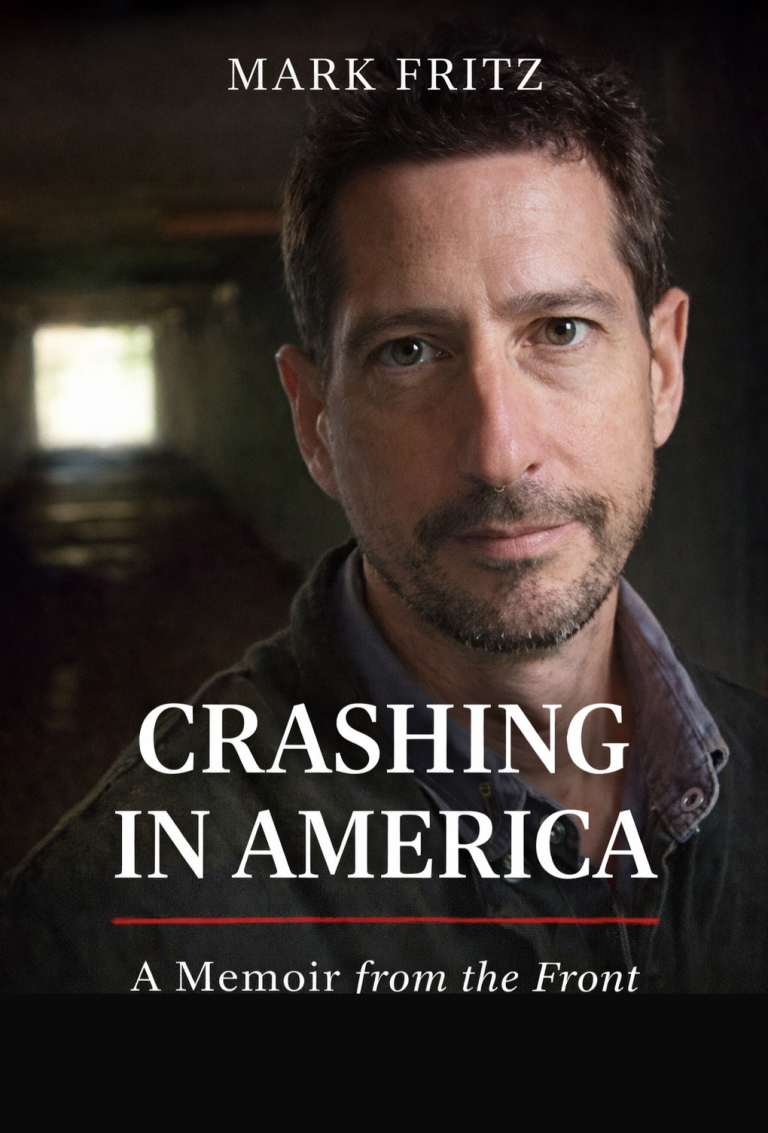
CRASHING IN AMERICA: A Memoir From the Front, by Mark Fritz, Pulitzer Prize-winning journalist. This is obviously a mock-up.
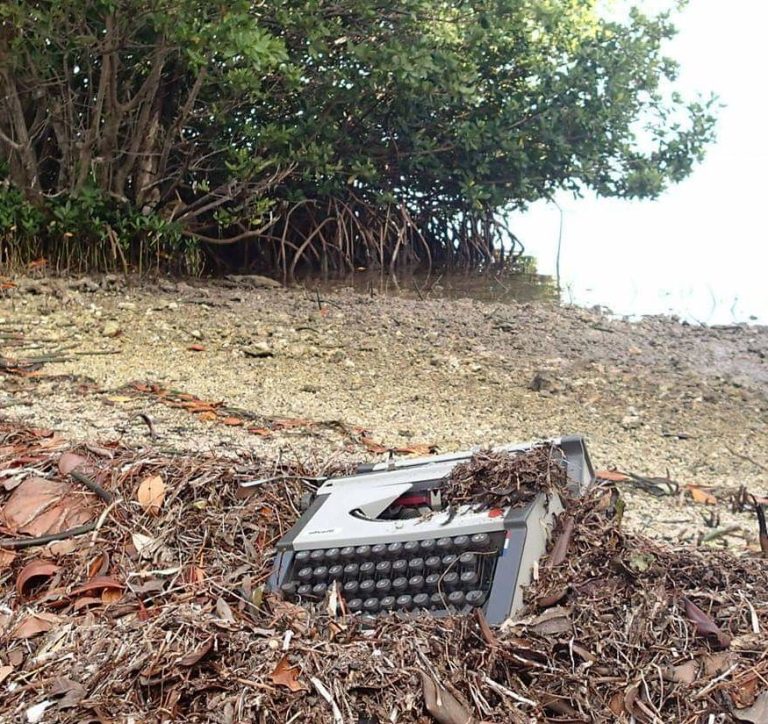
CUDJOE KEY, USA: That goddam cheap typewriter we had to use in the first Iraq invasion finally found a home on a beach in the lower Florida Keys.
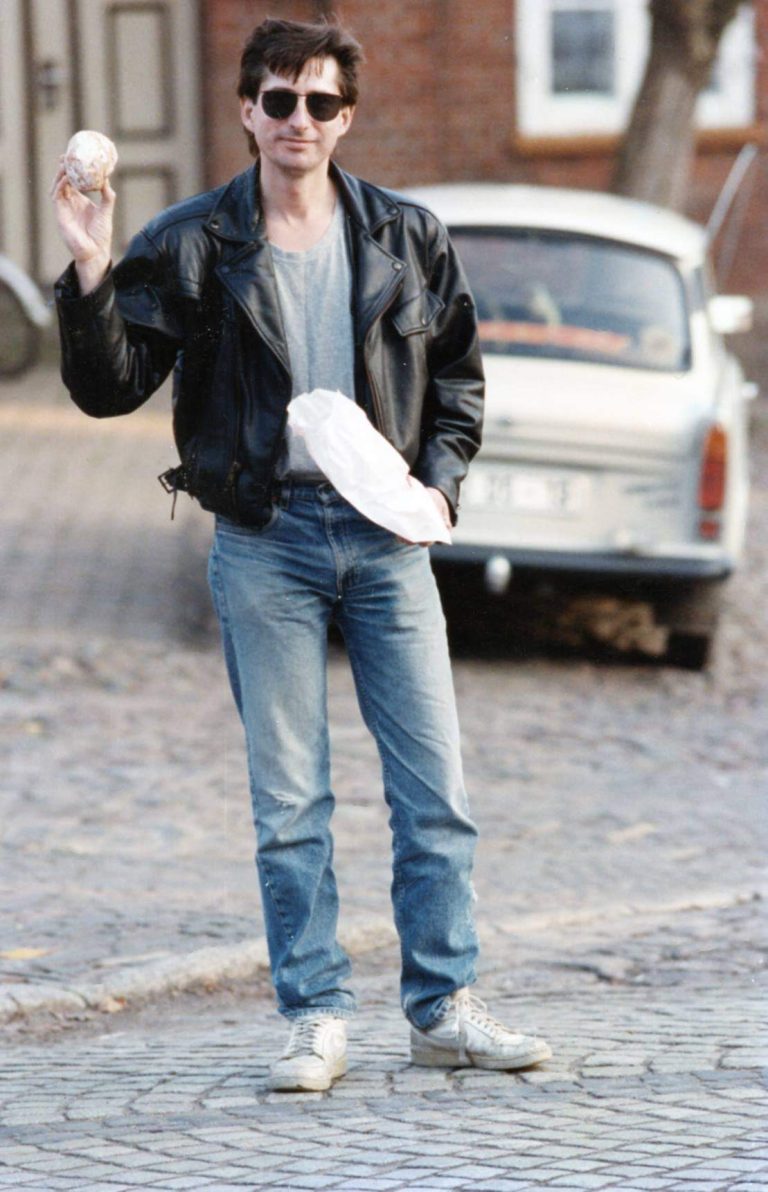
ICH BIN EIN BERLINER: Did JFK pledge solidarity with Berlin by calling himself a jelly doughnut? JFK was technically correct, but the comment became the root of an enduring urban legend. Photo by Chris Clark.
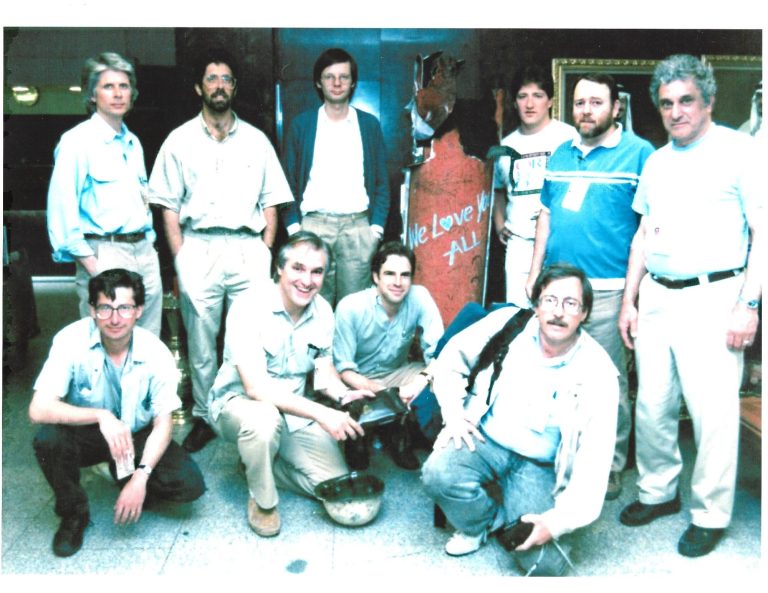
WAR'S SO WHITE: Even in 1991, eyebrows must be arched at the white male team AP assembled in Dharan, Saudi Arabia, to cover a major portion of the U.S.-led invasion of Iraq. AP had a tendency to lag a decade or three behind the times. Mark Fritz lower left.
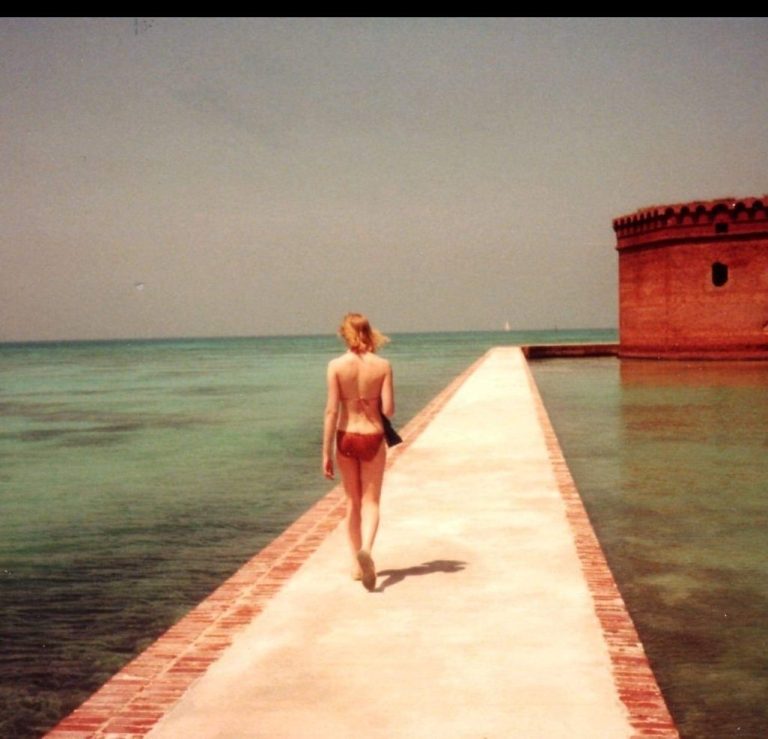
A friend takes a walk on the Dry Tortugas, an archipelago in the Gulf of Mexico and home to massive Fort Jefferson, now retired. Photo by Mark Fritz, journalist, circa 1980.
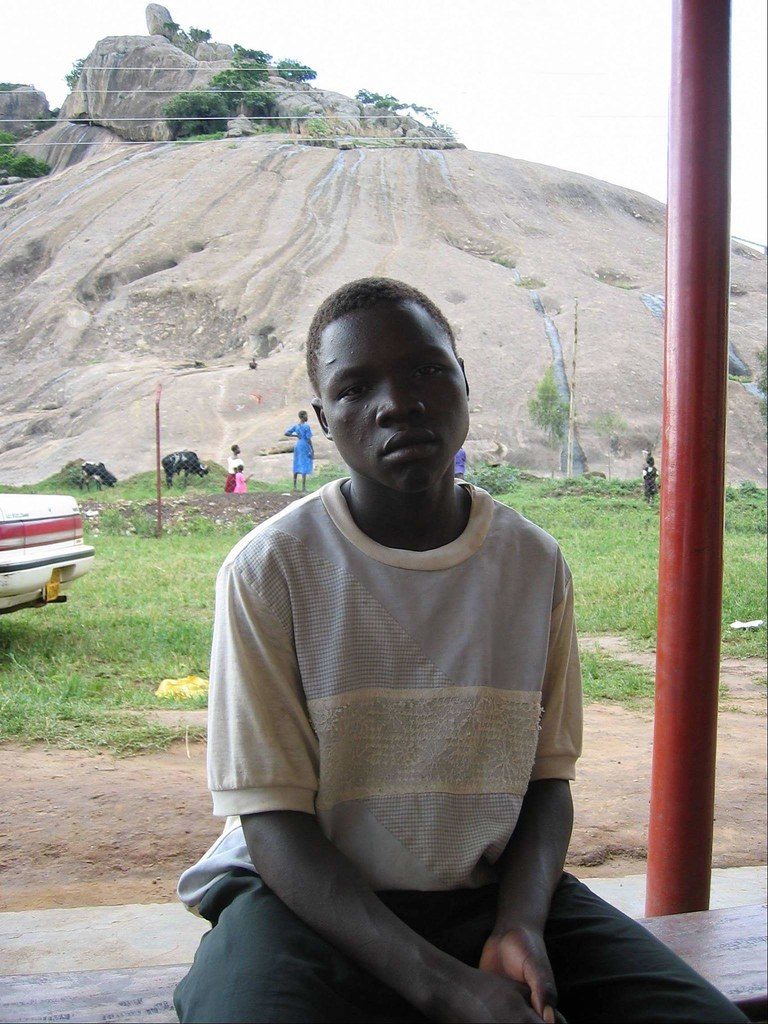
This is a boy soldier forced to join the cult Lord's Resistance Army, which conscripted youngsters to kill their families in northern Uganda. He was one of scores of people I interviewed for Human Rights Watch and, ultimately, the International Criminal Court. The ICC subsequently issued an arrest warrant for cult leader Joseph Kony in 2005, but he remains a ghost. Photo by journalist Mark Fritz
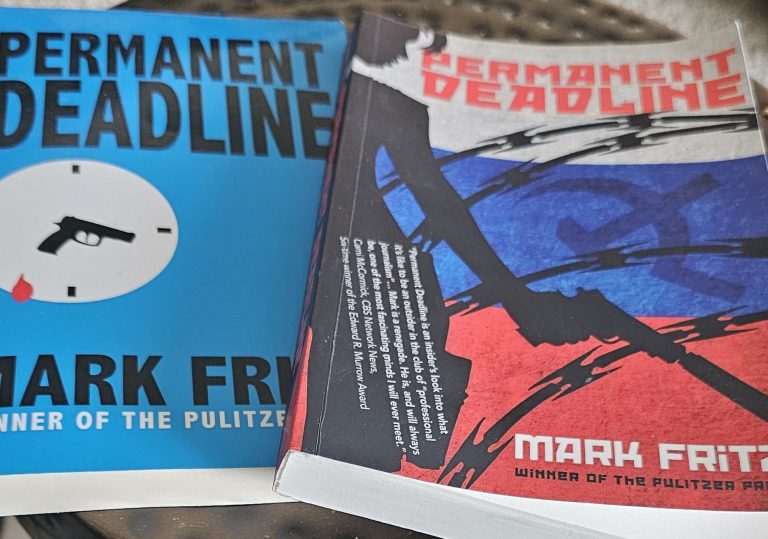
Bootleg copies of Permanent Deadline, a roman à clef of sorts that triggered a round of slanderous character assassination by AP degenerates and parasitic grifters who hijacked the book by Mark Fritz, Pulitzer Prize-winning war correspondent. It's free on Kindle.
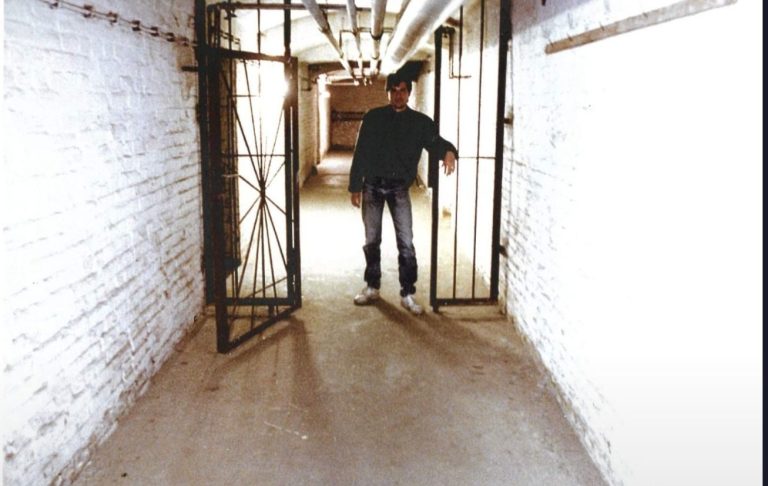
BAR SCENE: Pulitzer Prize-winning journalist Mark Fritz was among the first Western reporters to visit Berlin-Hohenschoenhausen, the notorious Stasi political prison. 1990.
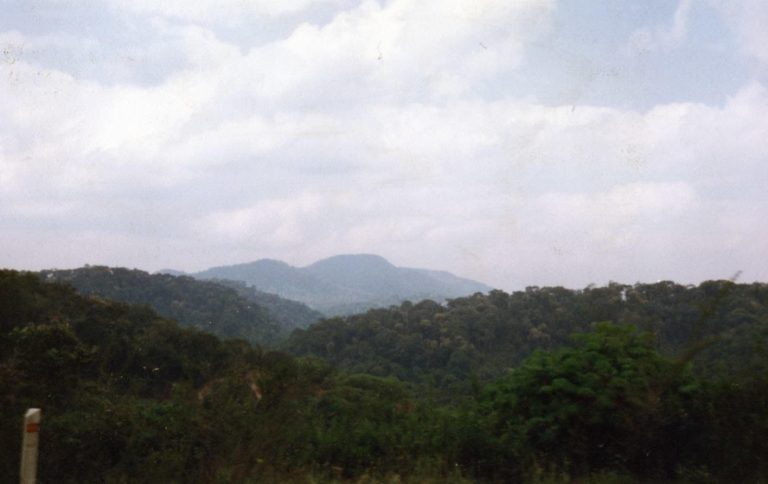
HEARTBREAK HILLS: How did beautiful little Rwanda become one of history's ghastliest killing grounds? A perfect storm of class warfare, ethnic animosity and crushing land pressure exploited by people clinging to power. Mark Fritz photo, 1994.
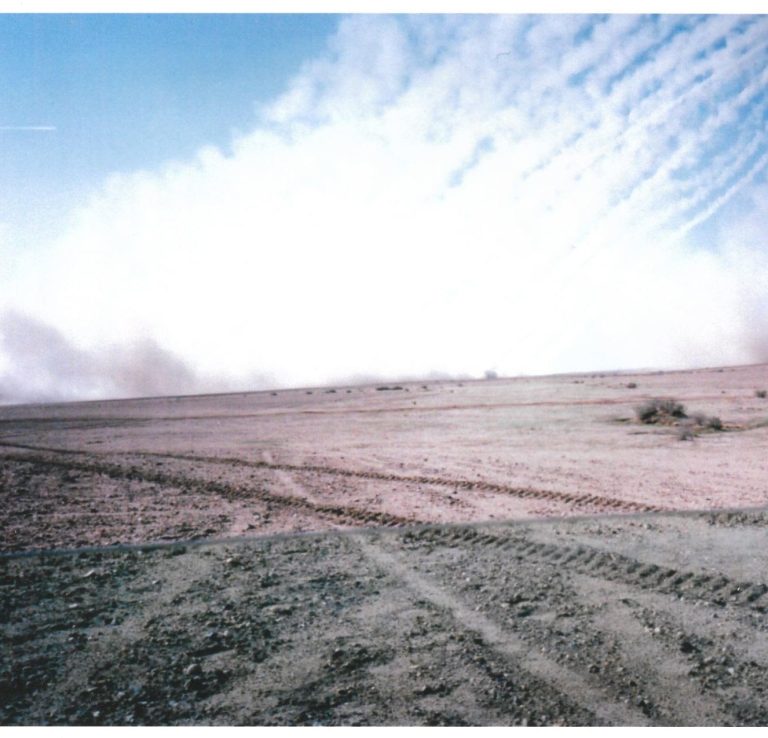
BORDERLINE CRAZY: Mobile missile launchers unload a barrage on Iraqi positions over the Saudi border. Photo by journalist Mark Fritz. The US military staged this fireworks show for journalists, who ate it up. 1991
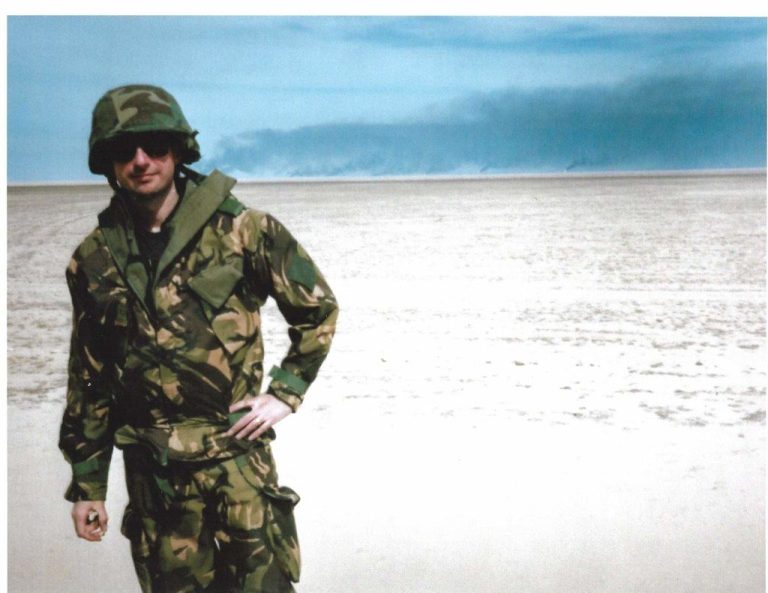
AP Photographer Laurent Rebours and reporter Mark Fritz crept close enough to Iraqi-occupied Kuwait to see the oil fields ablaze. They were traveling unilaterally, outside the pool system. They dressed as British combat engineers to get past Saudi checkpoints. 1991
Appearing on C-Span's BOOK TV, Pulitzer Prize-winning journalist Mark Fritz addresses the Carnegie Council on Ethics and International Affairs in New York on April 13, 1999. Fritz spoke about his book "Lost on Earth: Nomads of the New World," which chronicles and puts into perspective the biggest human migration in history.
We need your consent to load the translations
We use a third-party service to translate the website content that may collect data about your activity. Please review the details in the privacy policy and accept the service to view the translations.